The low-cost question
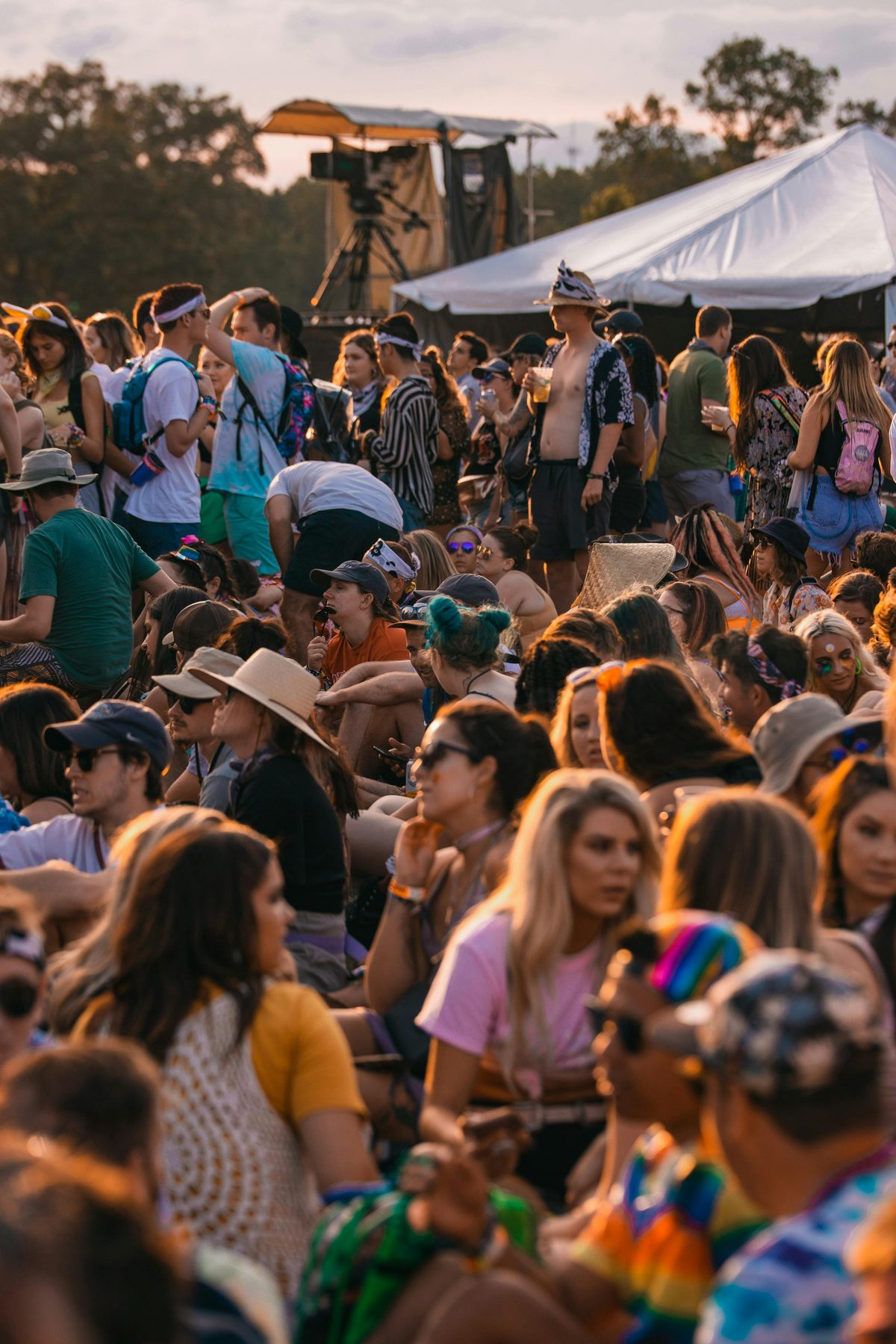
Bardentreffen in Nuremberg is free, and Africa Oyé in Liverpool, free until 2026, now sells tickets its organisers say they have kept “as affordable as possible”. Both are genuinely excellent. Cheap does not mean modest here. Africa Oyé drew over 25,000 people to Sefton Park in 2026, with professional production and artists who would headline bigger festivals, and its Saturday sold out. Bardentreffen brings 100,000 people to the Nuremberg old town.
The practical implication: if budget is a constraint, a European world music summer built around these two low-cost events plus the travel between them is entirely viable. Liverpool in June, Nuremberg in late July. Two countries, two different musical traditions, and an Africa Oyé early-bird ticket plus travel and accommodation are the main costs.
Afro Nation vs WOMAD: they are not the same thing
Both are world-class events. Both draw international audiences. They are otherwise completely different. Afro Nation is a modern, commercial Afrobeats event — Davido, Fally Ipupa, Rema, production at festival scale, a beach in the Algarve. WOMAD is Peter Gabriel's four-decade project in ethnomusicology — traditional and contemporary music from dozens of countries, chosen because it is extraordinary rather than because it is popular. Neither is better. They serve different audiences with different tastes.
If you're already into Afrobeats, Amapiano and contemporary African music, Afro Nation Portugal is the event of the year. If you're looking to be introduced to musical traditions you don't already know, WOMAD is the more rewarding choice.
Why Rototom is the standout
Seven days on the Valencia coast. 230,000 people. A community that returns year after year. Rototom Sunsplash is not simply a reggae festival — it is the reggae festival for Europe. The programming reaches from Jamaican roots reggae to dub to dancehall to African reggae crossovers, with an activist and cultural dimension that most festivals gesture at and Rototom actually builds into the structure of the event. The Mediterranean coast in August, camping included, one week: this is the one to plan a summer holiday around.
The folk strand
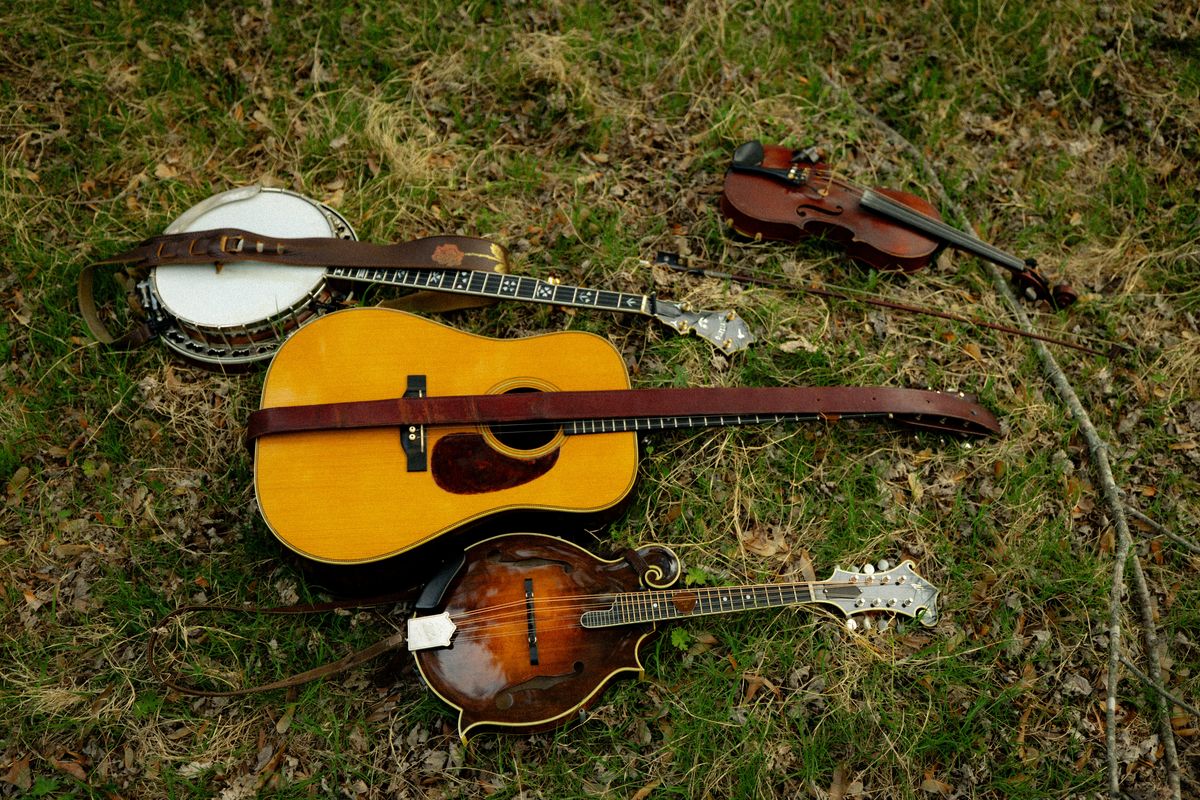
Two festivals on this page are purely folk: Tønder in Denmark and Cambridge in the UK (Cambridge Folk Festival, while not featured as a card here, is two days at Cherry Hinton Hall in August and worth knowing about for folk fans). Tønder is the more internationally reputed — 50 years of heritage, 15,000 people in a small Danish market town, programming that covers traditional folk, Americana, and roots with genuine depth. It is also the more remote, which requires planning.
Skagen Music Festival — also in Denmark, in July — is the more accessible option: a uniquely beautiful setting at the tip of Jutland, and a programme weighted towards singer-songwriters and acoustic sets. If you're already planning a Scandinavian trip, Skagen adds genuine value without requiring a dedicated journey.
The Africa festival circuit
The International Africa Festival in Würzburg (May, four days) and Afro-Pfingsten in Winterthur (Pentecost weekend in May) sit at one end of the spectrum — cultural events rooted in the African diaspora communities of central Europe, intercultural and community-centred. Afrobeats Festival Berlin (August) sits at the other end — a commercial Afrobeats event in Germany's capital, small at 15,000 but growing. Together they sketch out a continental Afrobeats circuit that was unimaginable ten years ago.
Getting there
For UK-based visitors: WOMAD in Wiltshire and Africa Oyé in Liverpool are the domestic options. Rototom in Benicàssim is a Ryanair flight to Valencia and a local train. Afro Nation Portugal is a direct flight to Faro. Afro-Pfingsten in Winterthur is a flight to Zurich, then a short train ride. Bardentreffen in Nuremberg is a direct Ryanair flight from several UK airports. None of these require significant logistical effort. The world music circuit, unlike the rock or electronic circuit, tends to be well-connected by direct budget aviation.