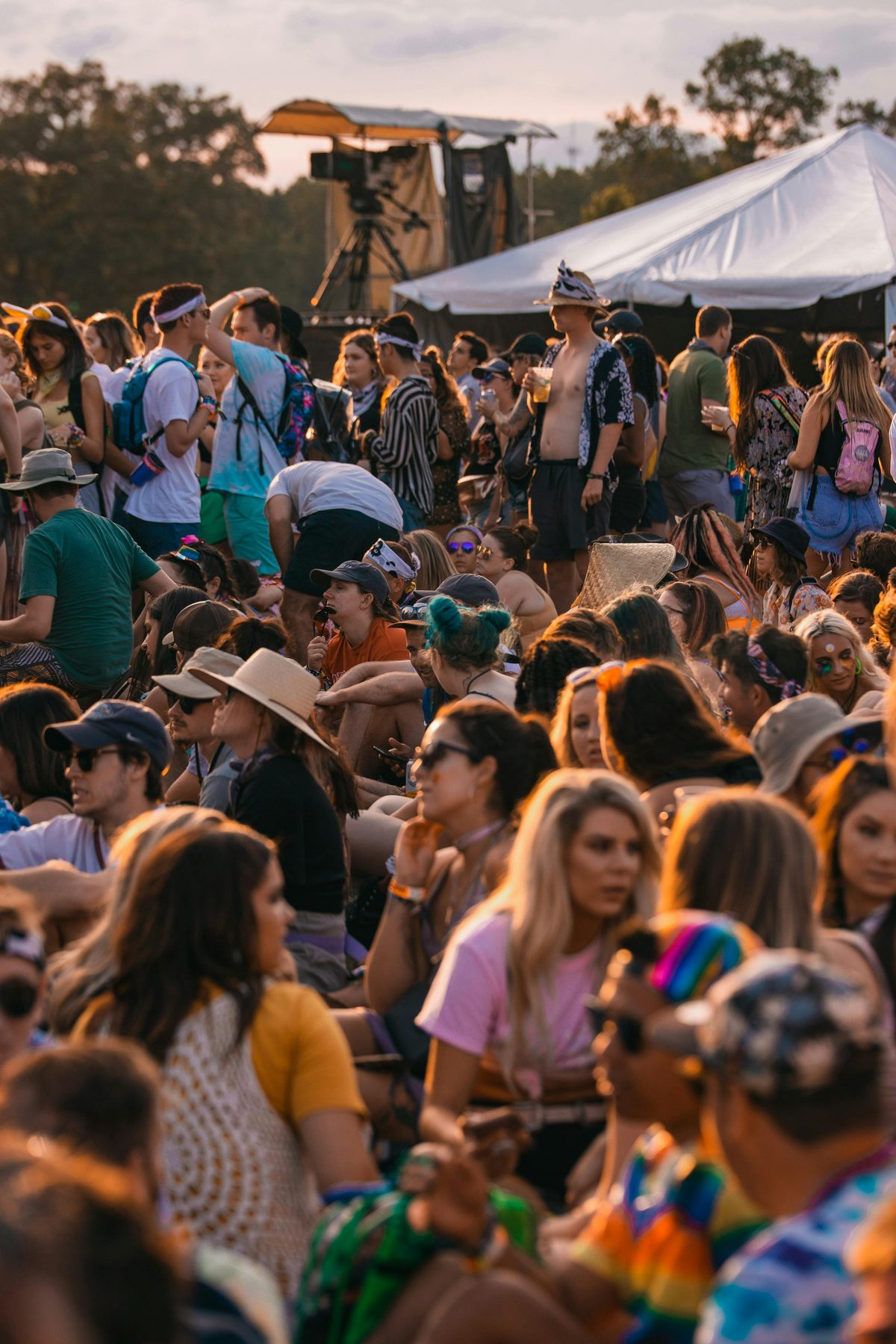
What are the best music festivals in Europe for over-40s?
The eight on this list are: Copenhagen Jazz Festival (Copenhagen, Denmark, July, mostly free — the most civilised large music event in Europe, city-wide across 100 venues); Montreux Jazz Festival (Montreux, Switzerland, July — Lake Geneva, iconic, quality jazz, blues and rock); End of the Road (Dorset, England, September — boutique indie and folk, 15,000 people, famously adult-skewing audience, Larmer Tree Gardens); Green Man Festival (Brecon Beacons, Wales, August — 25,000 people in the mountains, indie and folk, beautiful setting); North Sea Jazz (Rotterdam, Netherlands, July — the world's largest indoor jazz festival, held at Ahoy Rotterdam, no mud, world-class programme); Latitude Festival (Suffolk, England, July — arts, comedy and literature alongside music, 40,000 people, famously adult audience); NOS Primavera Sound (Porto, Portugal, June — quality international line-up, city festival with hotel options); WOMAD UK (Neston Park, Wiltshire, July — world music, arts and dance workshops, multigenerational). Dates and prices for each are on the cards above.
What makes a music festival good for people over 40?
The characteristics that tend to make a music festival work well for adults in their 40s and 50s are: quality of programming over hype (acts chosen for musicianship and longevity rather than chart position); good food and drink options beyond burgers and warm cider; seated or comfortable viewing options at main stages; proximity to town or city (so hotel accommodation is viable instead of camping); a lower average age than you might expect from festival marketing — many European festivals have a significant 35-55+ demographic that is simply not reflected in the advertising; and a cultural dimension beyond just the music — arts, talks, comedy, film, food. The festivals on this list score well across most of these dimensions: Copenhagen Jazz can be enjoyed from a waterfront café seat; North Sea Jazz is indoors with food halls; End of the Road has excellent food and a famously warm community feel; Latitude has a dedicated literature and comedy tent alongside four music stages.
Are there music festivals in Europe where you don't have to camp?
Yes — several of the best European festivals either don't require camping or have strong city-based alternatives. Copenhagen Jazz Festival is city-wide across 100 venues — you stay in a Copenhagen hotel and attend whatever is most interesting each day; no camping involved. Montreux Jazz is a city festival on Lake Geneva — hotels range from affordable to luxury and the venues are walking distance from the town centre. North Sea Jazz is held indoors at Ahoy Rotterdam — again, hotel-based, no camping. NOS Primavera Sound Porto takes place at a city site; Porto hotels and Airbnbs are the standard accommodation. For UK festivals, Latitude, Green Man and End of the Road all have camping as the default but also have campervan and glamping options, plus B&Bs and guesthouses nearby. WOMAD UK is in Wiltshire, close enough to Swindon and Bath for non-campers to make it work day-by-day.
What is End of the Road festival and who is it for?
End of the Road is a boutique folk and indie festival in the Larmer Tree Gardens in Dorset, held each September. 15,000 people. It is widely regarded as the UK's best-curated small festival — the programme is deliberately eclectic, with a strong emphasis on American roots music, British folk, and serious independent artists rather than mainstream pop. The audience is famously older-skewing: the average age is significantly higher than mainstream UK festivals, and the atmosphere reflects that — knowledgeable, relaxed, and community-minded rather than heaving and chaotic. The Larmer Tree Gardens setting — Victorian estate gardens with peacocks wandering between stages — adds a genuinely distinctive character. No children's area, which shapes the audience accordingly. Trains from London Waterloo reach Gillingham (Dorset) in 2 hours, then a shuttle bus. Bristol airport is 1.5 hours by car.
What is the difference between End of the Road and Green Man?
Both End of the Road and Green Man are boutique UK festivals with a famously adult, knowledgeable audience and a shared emphasis on indie and folk music. End of the Road (Dorset, September, 15,000) is slightly smaller, more Americana and folk-leaning, and takes place in early September in Victorian estate gardens. Green Man (Brecon Beacons, August, 25,000) is in mountain countryside in Wales — the Brecon Beacons setting is arguably the more spectacular of the two, and the programme is slightly more rock and indie-leaning, with a strong Welsh arts and cultural dimension. Both are excellent choices for adults in their 40s and 50s. Green Man runs in August, End of the Road in September — for people who can only do one UK boutique festival in a year, the choice often comes down to timing and travel convenience.
What is the Copenhagen Jazz Festival and how does it work?
The Copenhagen Jazz Festival is a ten-day city-wide event held each July across more than 100 venues in Copenhagen — concert halls, jazz clubs, hotels, parks, squares and waterfront spaces. The majority of concerts are free to attend outdoors; indoor shows are ticketed. Around 250,000 people attend across the ten days. The format is entirely different from a field festival: you stay in Copenhagen, explore the city, and follow the programme — attending an outdoor concert by the harbour in the afternoon and an indoor show at a jazz club in the evening is entirely typical. The atmosphere is relaxed, the music is serious and well-programmed, and Copenhagen is one of the most pleasant cities in Europe to spend ten days in. Copenhagen Airport (CPH) is 20 minutes from the city centre.